China Hotel Checklist for Foreign Guests: What to Know Before You Book
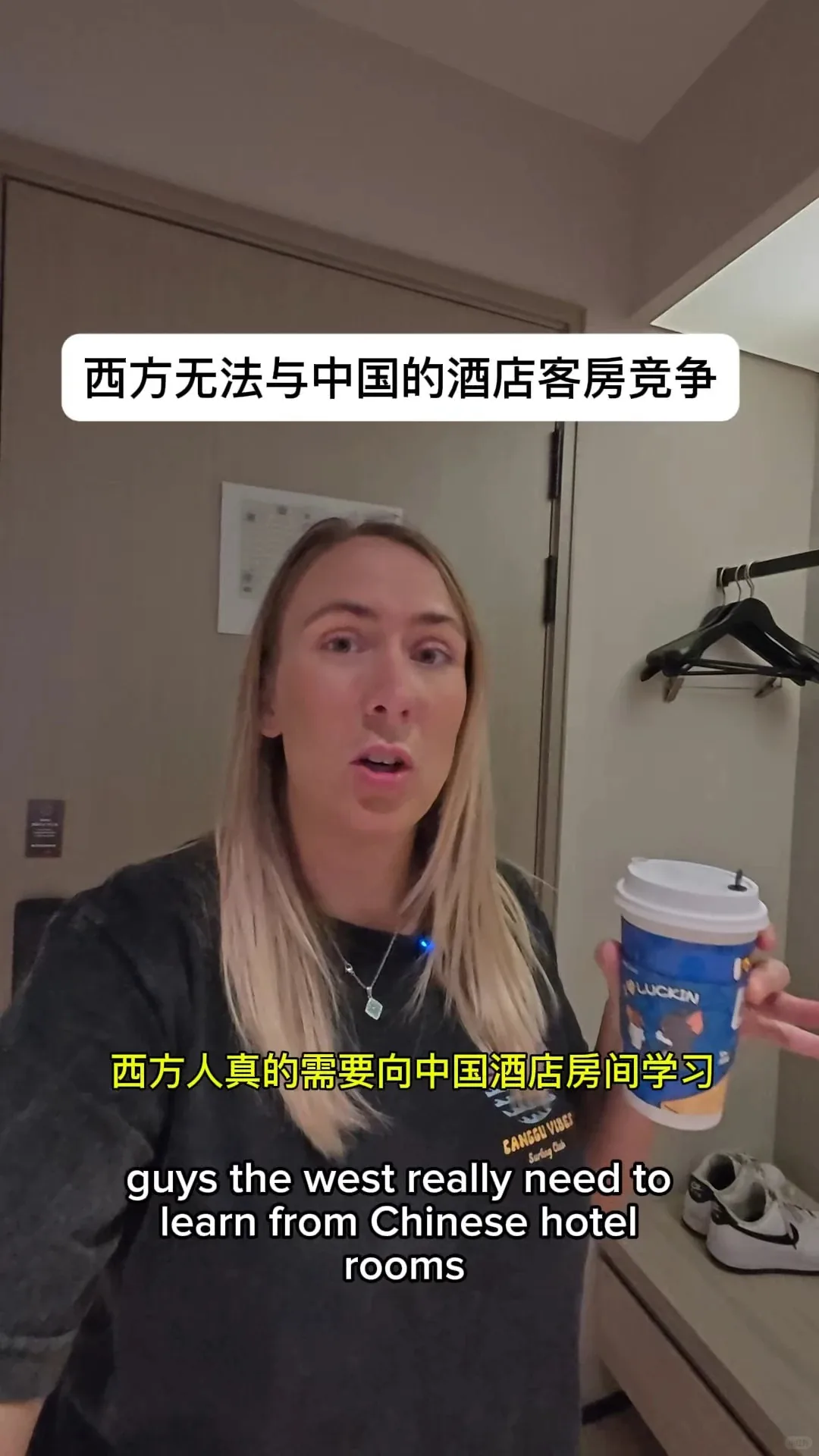
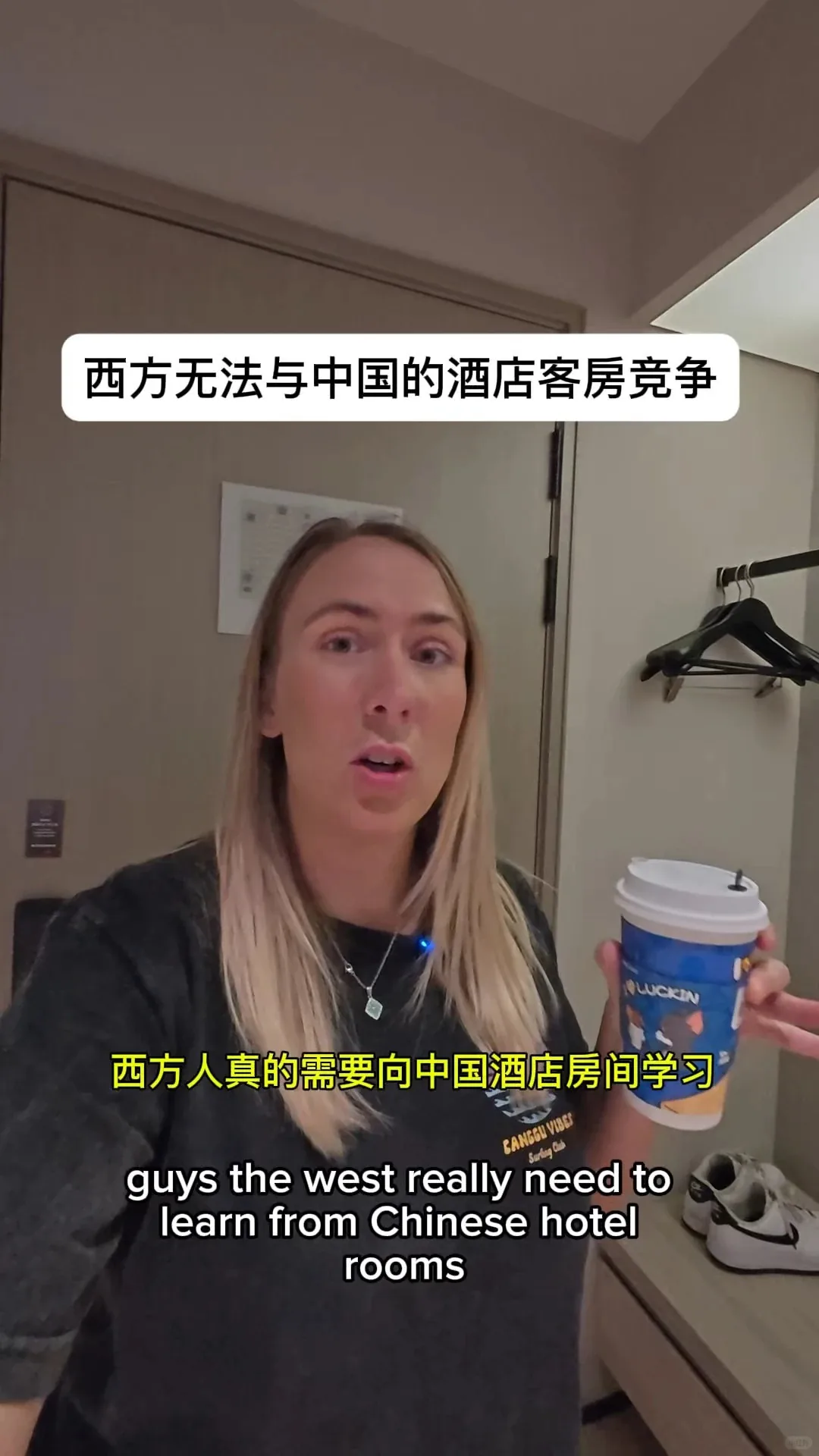



Booking a hotel in China as a foreign passport holder involves a few specific steps that differ from international norms. Chinese law requires hotels to register foreign guests with local police, a process that can cause delays if the property is not equipped or willing to handle the paperwork. This checklist synthesizes practical advice from recent traveler accounts to help you select a hotel that minimizes friction and maximizes convenience. The goal is a smooth check-in, not a surprise rejection at the front desk after a long journey.
The experience can vary widely. A solo traveler in Shanghai might find boutique hotels in the Former French Concession area both welcoming and efficient, while a visitor in a smaller city could encounter front-desk staff who are unfamiliar with the registration system for foreign passports. Preparation is key. Knowing what to ask and what to verify before you arrive can save significant time and stress.
Hotel Eligibility and the Foreign Guest Registration Rule
Not every hotel, hostel, or guesthouse in China is legally permitted to accommodate foreign guests. The core requirement is that the property must have the software and authorization to register a foreign passport with the local Public Security Bureau (PSB). This is a national law, but enforcement and familiarity can vary. In major cities like Beijing, Shanghai, and Guangzhou, most mid-range to international-chain hotels have this capability. In smaller towns or family-run guesthouses, you must confirm in advance.
When booking online, look for explicit mentions of “foreign guest” or “外宾” (wài bīn) eligibility. If the listing is unclear, contact the hotel directly via the booking platform’s chat function or call them. Ask a direct question: “Can you accept a foreign passport for check-in and complete the PSB registration?” Get a confirmation in writing if possible. Some travelers report being turned away upon arrival despite a confirmed booking because the hotel lacked the proper system, a situation that is difficult to resolve late at night.
Location Strategy: Convenience vs. Authenticity
Your hotel’s location directly impacts your daily logistics. Staying near a subway station is highly practical, as Shanghai’s metro system is extensive, has English signage, and accepts foreign bank cards for single-journey ticket purchases at station machines. A hotel within a 10-minute walk of a station can save you considerable time and taxi fare.
For a first visit, districts like Shanghai’s Jing’an or Xuhui offer a high density of services, restaurants familiar with foreign visitors, and walkable streets. These areas also tend to have a higher concentration of hotels accustomed to international guests. If your priority is a specific experience, like staying in a historic lane house, verify that the property is in a registered hotel category, not a short-term rental apartment, which faces stricter legal scrutiny for hosting foreigners.
Payment Methods and Front-Desk Logistics
China’s payment ecosystem is dominated by Alipay and WeChat Pay. While these platforms now allow foreign visitors to link international credit cards (Visa, Mastercard) through their “overseas-card setup” or similar functions, many hotel front desks may still primarily expect local payment methods. It is prudent to have a backup. Carry some Chinese Yuan (CNY) in cash for the deposit, which many hotels require upon check-in, typically 200-500 CNY per night, refundable upon checkout.
At check-in, have your passport ready. The process involves the staff taking a photo or scan of your passport and visa page, entering data into their PSB-linked system, and sometimes asking for your local contact address or next destination. This can take 10-15 minutes. Being patient and having your documents organized speeds things up. Confirm the total cost, including any deposit, and the accepted payment methods for the final bill before you finalize your stay.
Verifying Amenities and Avoiding Surprises
Photos on booking platforms can be misleading. Recent traveler accounts note that room size, bathroom fixtures, and window views may not match the listing. To manage expectations, read the most recent reviews, specifically filtering for comments from other foreign guests if the platform allows. They often mention check-in ease, English proficiency of staff, and the reliability of amenities like Wi-Fi, which can be essential for accessing maps and translation apps.
Basic amenities to confirm include: a private bathroom with Western-style toilet, reliable hot water, and air conditioning or heating depending on the season. If you need a specific item like a firm pillow or an iron, message the hotel in advance. While many Chinese hotels provide slippers and basic toiletries, the quality can vary. For longer stays, consider serviced apartments that cater to expatriates, as they typically have more consistent standards and staff experienced with foreign tenants.
FAQ
Can I use Airbnb or short-term rental apartments in China as a foreigner?
It is legally complex and generally not recommended for short-term visitors. Chinese regulations require hosts to register guests with the police, and most individual landlords lack the system or willingness to do this for a foreign passport. You risk being denied check-in or facing complications. Licensed hotels and serviced apartments are the safer, legal choice.
What if I arrive very late at night? Will the hotel still check me in?
Most hotels have a 24-hour front desk. However, the foreign guest registration process requires staff who know how to operate the PSB system. When booking, inform the hotel of your late arrival time. A large, international chain is more likely to have trained night staff than a small boutique property. Confirm their late check-in policy for foreign guests specifically.
Do hotel staff in China speak English?
In international chains and hotels in major cities’ central districts, front-desk staff usually have basic to good English. In other properties, English proficiency can be minimal. Have your hotel address written in Chinese characters to show taxi drivers. Use translation apps for communication. Learning a few basic Mandarin phrases for check-in is helpful.
Is it true that some hotels refuse foreign guests?
Yes, this can happen, primarily because the hotel lacks the legal authorization or technical system to register foreign passports, not due to personal discrimination. This is more common in budget accommodations, smaller cities, or rural areas. Always verify eligibility before booking, especially for non-chain hotels.
Editor’s notes
Download and set up Alipay with your foreign card before your trip. While not every hotel may accept it for the final bill, it works for countless other payments (convenience stores, taxis, restaurants) and removes a major daily friction point. Also, save a screenshot of your hotel’s address in Chinese characters on your phone; cell service can be spotty upon arrival, and you need it for the taxi driver immediately.
Last visited: 2026-05-01 · prices verified on 2026-05-01.
Sources
- Xiaohongshu/RedNote source note: OTWD夜行夫妇
- Xiaohongshu/RedNote source note: Xinxin&Brandon
- Xiaohongshu/RedNote source note: 今夕不吃羊
- Xiaohongshu/RedNote source note: 那知上麻妃Asahi
- Beijing Municipal Government: overseas cards with Weixin Pay and Alipay
- Shanghai Municipal Government: linking international cards to Alipay