Shanghai Food Guide: Logistics, Timing & Local Eats


Shanghai’s culinary landscape is a direct reflection of its history as a cosmopolitan port city. You will find a spectrum ranging from humble, century-old street stalls serving traditional Hu cuisine to innovative, high-end restaurants with international menus. For the first-time visitor, navigating this vast scene requires some practical knowledge about where to go, what to order, and how to manage the logistics of dining in a megacity of over 20 million people.
This guide synthesizes local recommendations to give you a clear, actionable plan. It focuses on verifiable details like specific food streets, iconic dishes, and operational tips. Understanding the rhythm of the city—when and where crowds gather, which payment methods are universal, and how to access both historic flavors and modern dining—will help you make the most of your culinary exploration in Shanghai.
Iconic Dishes You Should Try
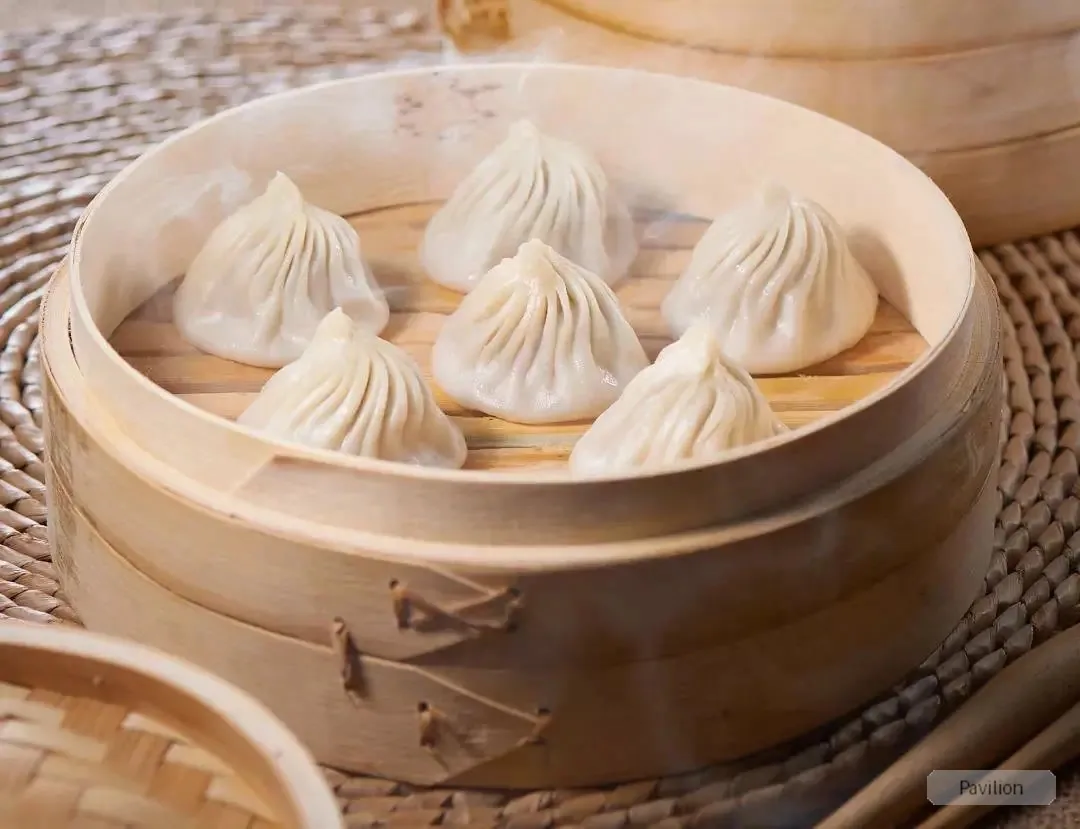
Shanghai’s local cuisine, often categorized under Hu or Benbang cai, features distinct sweet and savory flavors. The most famous dish is Xiaolongbao, or soup dumplings. These delicate steamed buns contain a pork filling and a burst of rich broth. A historic and consistently recommended spot is the Nanxiang Steamed Bun Restaurant (City God Temple Branch) at No. 87, Yuyuan Road, Huangpu District. Expect queues, especially during peak meal times.
Another must-try is Shengjianbao, pan-fried pork buns with a crispy bottom and juicy interior. Red-Braised Pork (Hongshao Rou) showcases the local preference for caramelized, sweet-savory flavors with tender pork belly. For a simple noodle dish, Scallion Oil Noodles (Congyou Banmian) are a staple. If your visit coincides with autumn (roughly September to November), inquire about Hairy Crab, a seasonal delicacy often served steamed. Many traditional restaurants, known as laozihao (老字号), specialize in these time-honored recipes.
Key Food Streets and Dining Districts
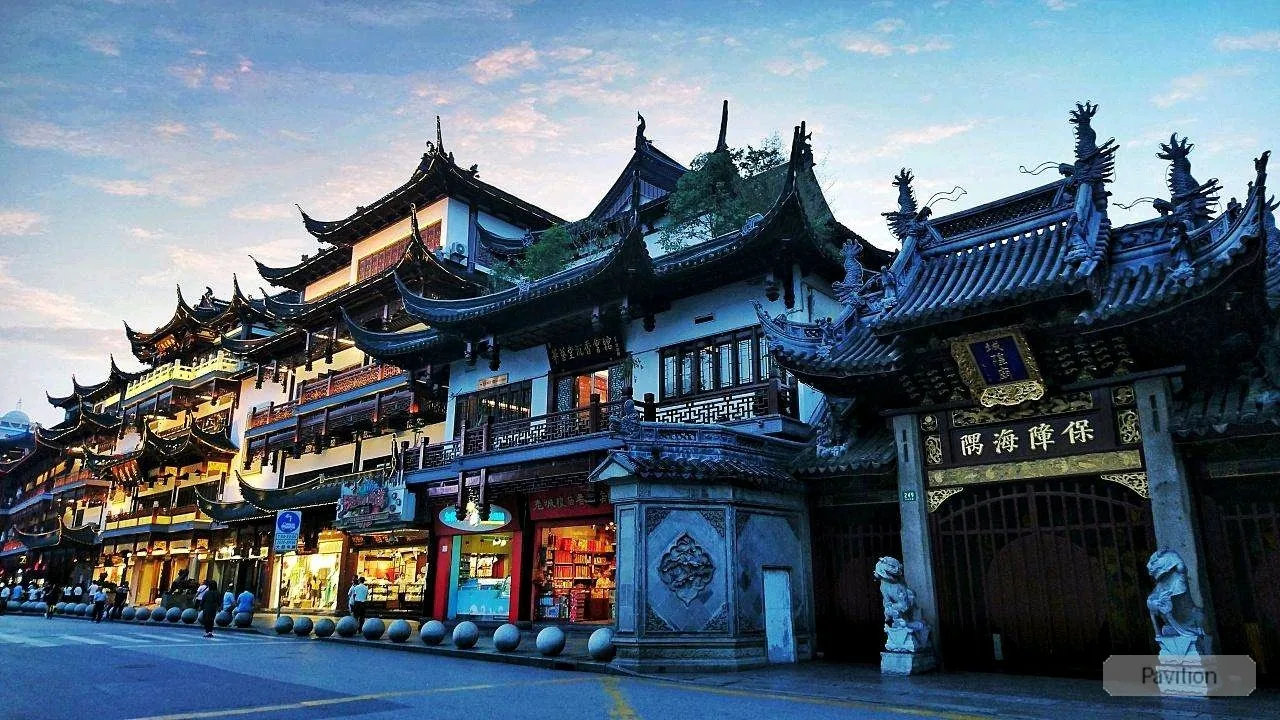
Concentrating your search in specific areas can save time. Yunnan South Road (云南南路) is a historic street known for classic Shanghai snacks and local eateries. For a mix of local bites and more modern, casual restaurants, Wujiang Road (吴江路) is a bustling pedestrian lane. The City God Temple Tourist Area around Fangbang Middle Road is a market-like zone dense with food stalls and the famous Nanxiang restaurant; it’s particularly atmospheric at night.
For a different vibe, Tianzifang offers a maze of alleyways filled with cozy cafes, fusion restaurants, and art galleries. For high-end dining with skyline views, restaurants along The Bund and in Pudong (like Lujiazui) are popular, though reservations are often necessary. Note that areas like Xintiandi, built within restored shikumen (stone-gate) houses, provide a blend of upscale dining and international cuisine in a historic setting.
Practical Dining Tips for Visitors
Payment is straightforward. Most restaurants, from high-end to street stalls, accept Alipay and WeChat Pay. As a foreign visitor, you can link an international credit card to these apps by completing passport verification and linking an overseas card when supported, though it’s wise to set this up before your trip. Cash is also universally accepted, but carrying smaller bills is useful for street vendors.
Timing matters. Lunch typically runs from 11:30 AM to 1:00 PM, and dinner from 5:30 PM to 7:30 PM. Popular local restaurants, especially laozihao establishments like Grandma’s Home (a highly popular Jiangzhe cuisine chain), often develop long queues during these windows. Visiting slightly before or after peak hours can reduce wait times significantly. English menus are common in tourist areas and international districts, but in local eateries, picture menus or translation apps are reliable backups.
Beyond Traditional: Cafes and Modern Eateries
Shanghai’s food scene is not limited to traditional Chinese cuisine. The city has a thriving modern cafe and international restaurant culture. A notable landmark is the Starbucks Reserve Roastery at HKRI Taikoo Hui (No. 789, West Nanjing Road, Jing’an District). As the first overseas Reserve Roastery, it’s a large-scale experience offering exclusive coffees and baked goods.
Shopping malls are also major food destinations. Malls like K11 Art Mall on Middle Huaihai Road (an art-inspired space) or Shanghai IAPM Mall house a wide array of both Chinese provincial and international restaurants, often with more predictable hours and English signage. For a quick, familiar snack, you can even find global brands like the m&m’s Chocolate World flagship store on East Nanjing Road.
FAQ
What is the best way to pay for food in Shanghai as a foreigner?
The most convenient method is mobile payment via Alipay or WeChat Pay. You can link an international credit card to these apps after completing app verification and linking an overseas card. Set this up before your trip. Cash is also universally accepted, so carry some smaller denominations (RMB 10, 20, 50) for street food and small vendors. Credit cards are accepted at higher-end restaurants and hotels but less reliably at local eateries.
Are there English menus available in Shanghai restaurants?
In tourist-heavy areas like The Bund, Xintiandi, and major shopping malls, English menus are commonly available. In local, traditional restaurants or street stalls, they are less common. However, picture menus are widespread, and using a translation app on your phone to scan the Chinese menu is a practical and accepted solution. Staff in busy areas often understand basic food-related English words.
When is the best time to avoid long queues at popular restaurants?
Peak dining hours are generally 11:30 AM to 1:00 PM for lunch and 5:30 PM to 7:30 PM for dinner. To avoid the longest waits at popular spots like Nanxiang Steamed Bun Restaurant or Grandma’s Home, plan to arrive either early (before 11:30 AM or 5:30 PM) or later (after 1:00 PM or 7:30 PM). Weekends are significantly busier than weekdays.
What is a ‘laozihao’ and can you give an example?
A ‘laozihao’ (老字号) is a time-honored brand or establishment, often a restaurant or shop with a long history and a reputation for traditional craftsmanship. In Shanghai, seeking out laozihao is a way to experience authentic local flavors. Examples include the Nanxiang Steamed Bun Restaurant for xiaolongbao and the First Food Store on East Nanjing Road for local snacks and souvenirs.
Editor’s notes
For a first-time visitor, I recommend focusing on one or two food districts per day to avoid metro-hopping fatigue. Combine a morning visit to the City God Temple area for xiaolongbao with an evening stroll along Yunnan South Road. Download the Alipay app and complete the passport verification and overseas-card setup before you land; it will save you significant time and hassle. Also, note that ‘hairy crab’ season is strictly autumn—don’t expect to find it fresh in spring or summer.
Last visited: 2026-01-01 · prices verified on 2026-01-01.