Shenzhen Weekend Guide: Logistics, Timing & Tips for Foreign Visitors
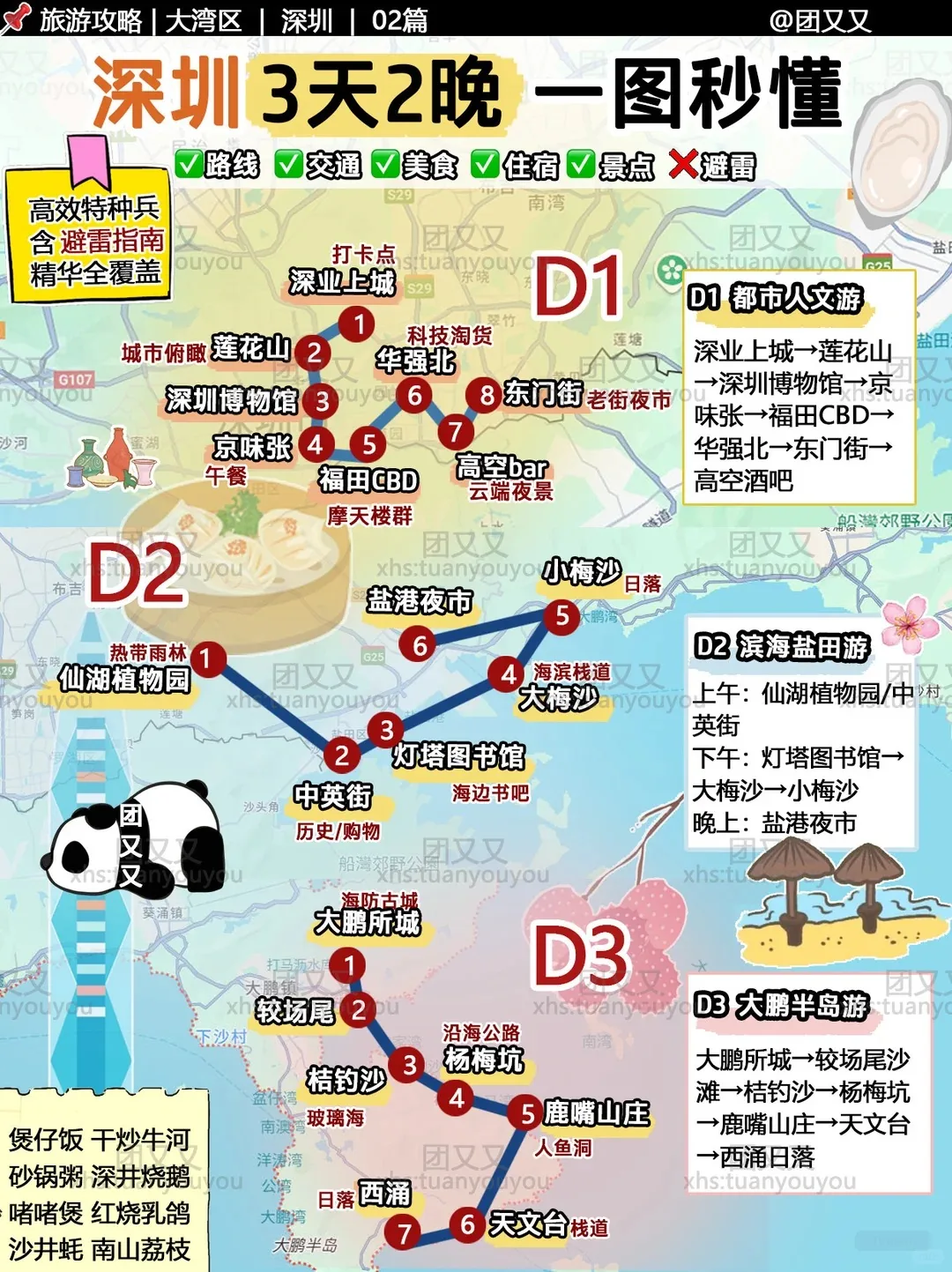
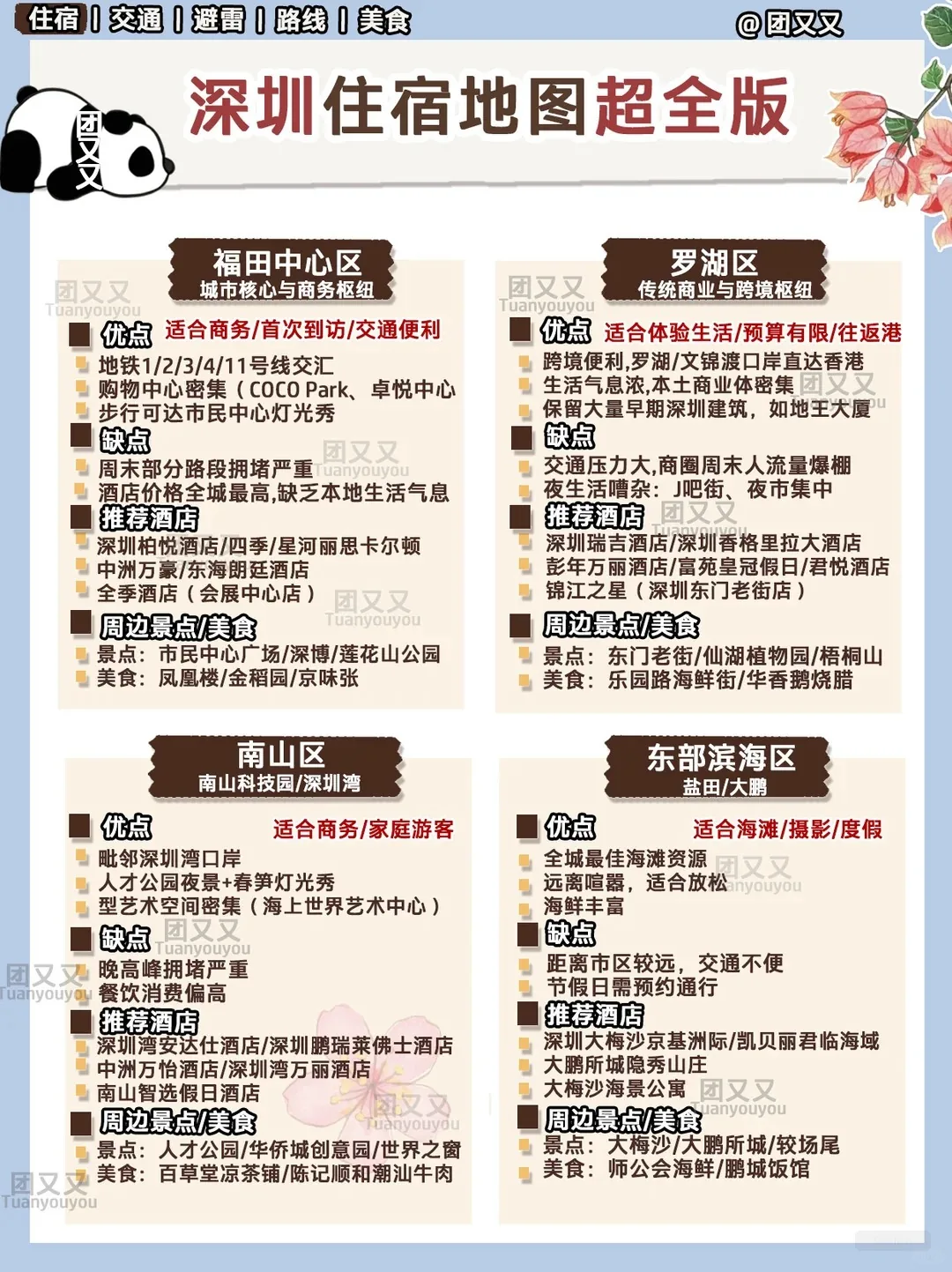
Shenzhen is a Special Economic Zone on the Pearl River Delta, directly bordering Hong Kong. It is a city built on speed and scale, with a population that is largely migrant, creating a mix of languages and cultures. For a weekend visit, you can focus on distinct districts: Futian for its central business district and museums, Nanshan for tech and coastal parks, and Luohu for its historic commercial core. The Dapeng Peninsula to the east offers beaches and ancient forts, but requires more travel time and advance planning.
This guide synthesizes recent Chinese-language travel notes into a practical framework. It prioritizes verifiable logistics like metro lines, reservation requirements, and typical costs. The goal is to help you navigate the city efficiently, whether you have two or three days, avoiding common pitfalls like crowded rush-hour trains or missing out on required bookings.
Getting Around Shenzhen
Shenzhen’s metro system is the most efficient way to move between districts. Lines 1, 2, and 11 are particularly useful for tourists, connecting Futian, Luohu, and the airport. Avoid Lines 1, 3, and 5 during morning (7:30–9:00) and evening (17:30–19:00) rush hours, as they become extremely crowded; carrying large luggage is impractical at these times. The metro accepts single-journey tokens and the Shenzhen Tong card. For foreign visitors, linking an international card to Alipay or WeChat Pay for QR code entry is possible but may require setup in advance. Taxis and ride-hailing apps like Didi are plentiful. To reach the Dapeng Peninsula in the east, public buses or tourist shuttles from major hubs like the Futian Transport Hub are options, but a rental car offers more flexibility, especially on weekends when traffic congestion is reported. The high-speed rail arrives at Shenzhen North Station, which connects directly to the metro network.
Sample Weekend Itineraries
For a focused two-day trip, a central itinerary works well. Day 1 can cover Futian and Luohu: start at Lianhua Hill Park for a city panorama, visit the adjacent Shenzhen Museum (free, often requires ID), then head to Huaqiangbei to see the electronics markets. In the afternoon, explore Dongmen Old Street for shopping and snacks. Evening options include the Sea World area in Shekou, built around a historic ship, or the Happy Coast complex for dining and water shows. Day 2 could be dedicated to Nanshan’s coast and culture: visit the OCT Loft art zone in the morning, then Shenzhen Bay Park for a walk or cycle along the waterfront. The Bay Area Eye Ferris wheel is a landmark here. In the afternoon, the Window of the World theme park offers miniature global landmarks. For a three-day trip adding Dapeng, note that weekend access requires a reservation via an official account, and traffic can be heavy. Key sites there include Dapeng Fortress and beaches like Jiaochangwei or Xichong.
Food and Dining Costs
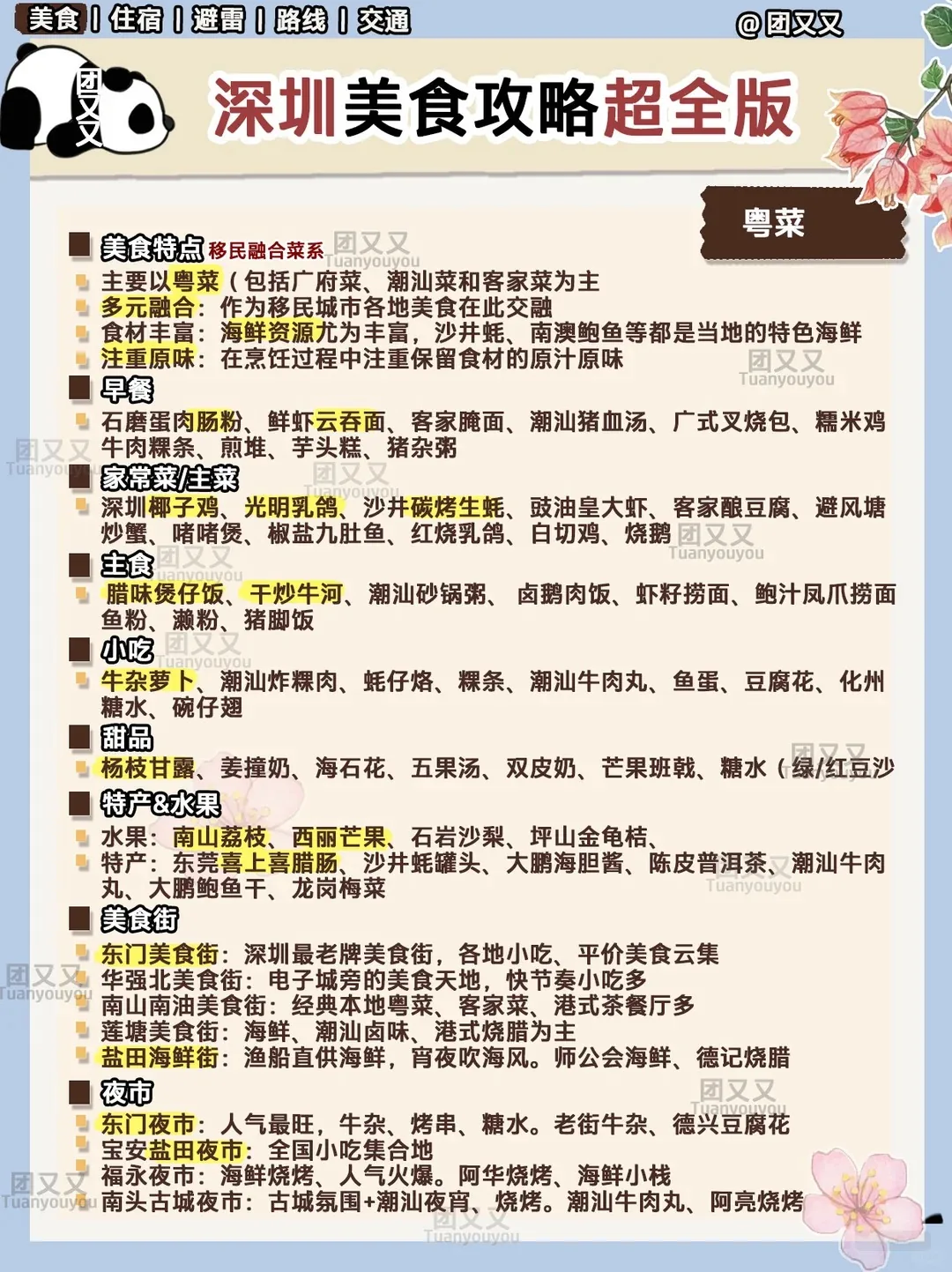
Shenzhen’s food scene reflects its migrant population, with strong Cantonese, Sichuan, and Northeastern influences. Dim sum restaurants like Fenghuang Lou or Diandude are popular for breakfast. Be aware that many restaurants add a mandatory tea seat fee of 2–8 yuan per person. For a sit-down Cantonese meal at a mid-range restaurant, expect to pay 80–150 yuan per person. Night markets like Dongmen Snack Street or Yantai Night Market offer cheaper street food options. Seafood is a specialty, particularly in the Shekou area near Sea World. Iconic restaurants like Jingweizhang in Futian CBD serve dishes like Peking roast duck and lamb chops in a setting with traditional decor; it is accessible via metro near Futian or Huanggang ports. Payment is almost universally digital via Alipay or WeChat Pay. Foreign cards can be linked, but carrying some cash as a backup is wise, especially at smaller stalls.
Key Attractions and Reservations
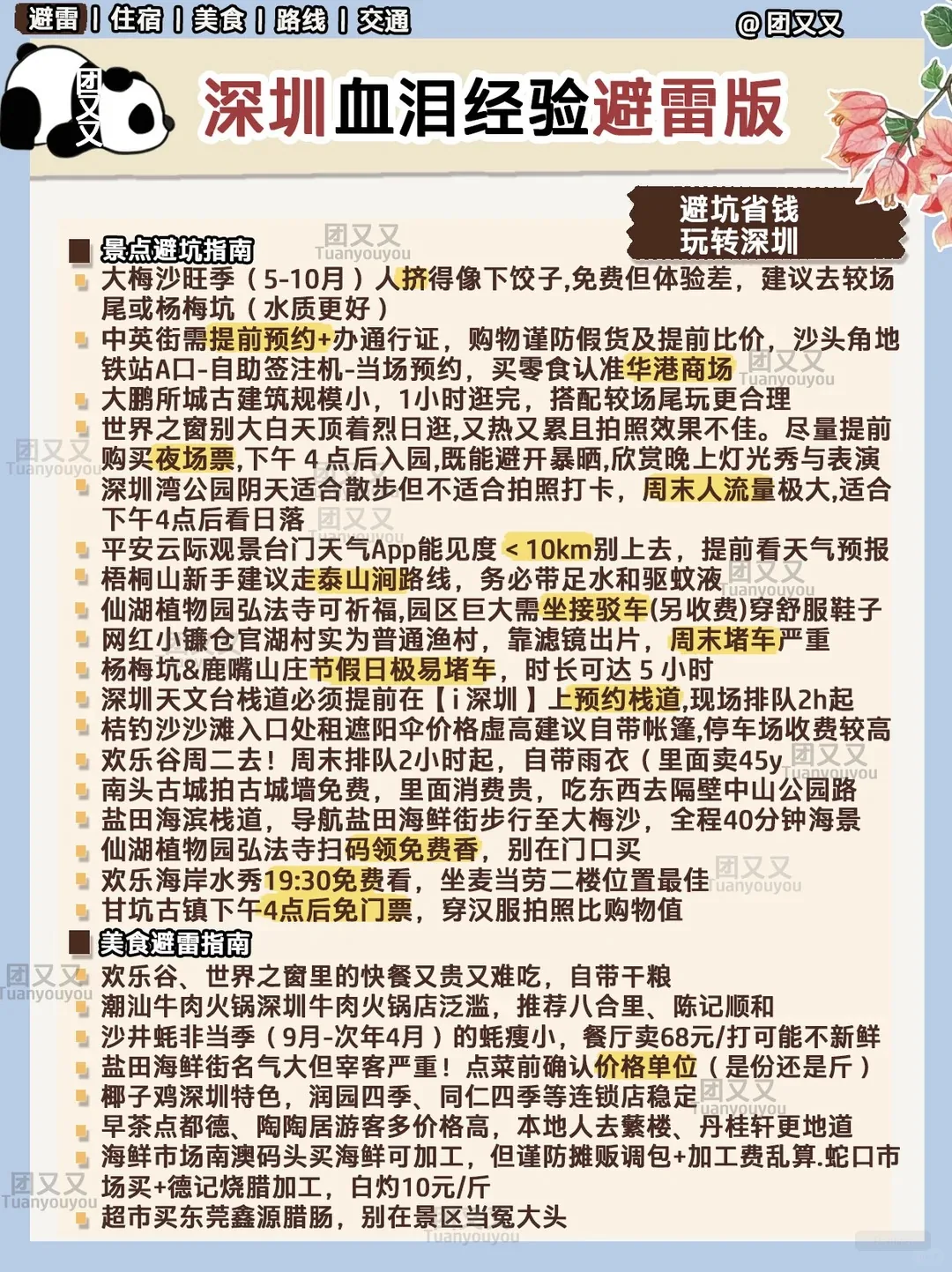
Many popular attractions in Shenzhen are free but require advance reservation through their official WeChat accounts due to daily capacity limits. This includes parks like Fairy Lake Botanical Garden and museums like the Shenzhen Museum. Zhongying Street in Yantian, a historic street with a border checkpoint feel, also requires booking and presenting an ID card. For paid attractions, Window of the World charges around 200 yuan for entry. Beaches on the Dapeng Peninsula, such as Dameisha and Xiaomeisha, can be extremely crowded on weekends and holidays; visiting on a weekday or during off-peak seasons (October to April, excluding holidays) is recommended. UV radiation is strong year-round, and parks and beaches have significant mosquito populations, so bring sunscreen and repellent. English signage is present in major metro stations and large malls, but less common at smaller attractions or bus stops.
Shopping and Tech Hubs
Shopping in Shenzhen ranges from massive malls to specialized streets. Huaqiangbei Commercial Street in Futian is known as ‘China’s First Electronics Street,’ a multi-block area with stalls selling components, gadgets, and accessories. For general retail, Shenzhen MixC in Luohu is a large mall with dining and entertainment. Dongmen Old Street is the city’s oldest commercial district, focusing on affordable clothing and street food. For a more curated experience, the OCT Loft Creative Culture Park combines art galleries, cafes, and design shops in renovated factory buildings. Holland Flower Town in Nanshan offers European-style architecture and floral displays, popular for photography. Most purchases will be made via mobile payment; foreign visitors should set up Alipay or WeChat Pay with an international card beforehand, as cash acceptance is limited in many small shops and markets.
FAQ
Do I need to make reservations for Shenzhen attractions?
Yes, many free attractions like Fairy Lake Botanical Garden, Shenzhen Museum, and Zhongying Street require advance reservation via their official WeChat accounts. Capacity is limited, so booking a day or two ahead is advised, especially on weekends. You will typically need to present a passport or ID card upon entry.
What is the best way to pay for things in Shenzhen as a foreigner?
Mobile payment via Alipay or WeChat Pay is dominant. You can link an international credit or debit card to these apps (look for the ‘overseas-card setup’ or similar feature). Set this up before your trip. While some larger hotels and malls accept international credit cards, most restaurants, markets, and small shops do not. Carrying a small amount of cash (Chinese yuan) is a reliable backup.
How crowded does Shenzhen get on weekends?
Crowding is significant at popular sites. Beaches on the Dapeng Peninsula and attractions like Window of the World are very busy on Saturdays and Sundays. Metro Lines 1, 3, and 5 are packed during rush hours. To avoid the worst, visit major attractions early in the morning, consider weekday travel if possible, and always check if a reservation is needed to guarantee entry.
Is English widely spoken in Shenzhen?
English is not widely spoken outside of international hotels and some upscale malls. Metro signage and announcements are bilingual in Chinese and English. At smaller restaurants, markets, and bus stops, English is minimal. Having your destination written in Chinese characters or using a translation app is very helpful for taxi drivers and asking for directions.
What is the most efficient transport from Hong Kong to Shenzhen?
The high-speed rail from Hong Kong West Kowloon Station to Shenzhen North or Futian Station is the fastest option, taking about 15–20 minutes. Alternatively, the MTR East Rail line connects to Lo Wu or Lok Ma Chau stations for border crossings into Luohu or Futian. Cross-border buses are another option. All crossings require you to pass through both Hong Kong and mainland China immigration.
Editor’s notes
The single biggest logistical hurdle for a smooth weekend is managing reservations. Download and set up WeChat before you go. Search for the official accounts of attractions you plan to visit (e.g., ‘深圳博物馆’ for Shenzhen Museum) and complete the booking process, which usually requires your passport number. Do this a few days in advance. Also, confirm your mobile payment setup by making a small test purchase with your linked international card once you arrive, to avoid surprises at a busy market stall.
Last visited: 2026-05-01 · prices verified on 2026-05-01.